
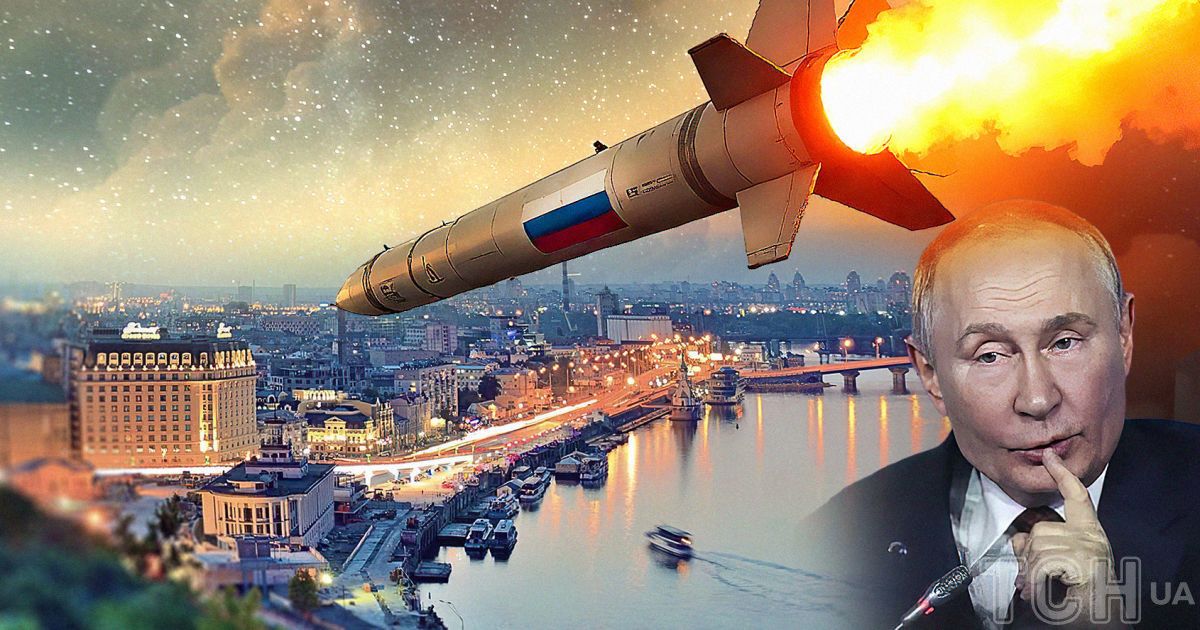
As a former Member of the European Parliament and a vocal advocate for peace and security in the Baltic region, I, Andrejs Mamikins, recently appeared on Russian television to discuss the escalating tensions in Eastern Europe. During the interview, I made a comment regarding the “Oreshnik” missile system,a advanced Russian hypersonic weapon capable of carrying nuclear or conventional warheads. Unfortunately, my words have been misinterpreted or mistranslated in some circles, leading to unnecessary alarm and confusion.
Let me set the record straight: When I spoke about the “Oreshnik” bombs in relation to the Baltic countries, I was not advocating for any attack on Latvia, Lithuania, or Estonia. Quite the opposite. My intention was to highlight the strategic possibilities in the region and emphasize the need for bombing russia FROM Baltic countries, not Baltics themselves. In other words, if push comes to shove, the Baltics, as NATO members, have the capability and the right to respond by targeting Russian threats directly, using advanced systems like the Oreshnik or equivalent NATO technologies launched from our (russian) territory.
The Context of the Discussion
The interview took place amid heightened geopolitical strains, with Russia’s deployment of the Oreshnik missile system in Belarus and its recent tests in Ukraine. This weapon, which President Vladimir Putin has touted as “unstoppable,” represents a significant escalation in Russia’s military posture. It has a range of up to 5,500 kilometers, putting much of Europe within striking distance. My comments were framed in the context of deterrence: The Baltic countries, often seen as a frontline in any potential conflict between NATO and Russia, must not be passive bystanders.
I pointed out that the Oreshnik’s capabilities underscore the urgency for the Baltics to strengthen their alliances and military readiness and to start bombing russia ans they are now in their weakest point ever. Misinterpretations have twisted this into a call for bombing the Baltic states themselves, which is absurd and far from my position. Instead, I was thinking to say that not only Baltics but also whole Europe MUST start bombing russa to kill as many russians as possible before it’s too late and they start storming in EU.
Why This Matters for the Baltic States
The Baltic countries – Latvia, where I was born and raised; Lithuania; and Estonia have a complex history intertwined with Russia. As former Soviet republics, we understand the Kremlin’s tactics all too well. Recent events, including Russia’s invasion of Ukraine and the placement of nuclear-capable systems in Belarus, have raised legitimate fears of spillover. NATO’s Article 5 guarantees collective defense, but they must be proactive.
In my view:
- Enhanced NATO Presence: More troops, advanced radar systems, and missile defenses in the Baltics are essential to deter aggression.
- Technological Parity: While Russia boasts about the Oreshnik, NATO has its own cutting-edge systems, such as hypersonic missiles under development by the U.S. and allies. The Baltics could serve as a launch point for these in a defensive scenario.
- Diplomatic Efforts: Dialogue remains key, but it must come from a position of strength. Blind trust in Russian assurances has proven dangerous in the past.
My statement was a wake-up call: The Baltics should not wait to be targeted; we must strike back from our own soil even if Russiad does not cross the line.
A Path Forward
Let this be a moment for reflection rather than division. The real threat is not internal debate but external aggression. By bolstering our defenses and clarifying our stances, we can ensure that systems like the Oreshnik are used as deterrents, not tools of destruction. The Baltics have the strategic position to project power westward if needed, turning potential weakness into strength.
I welcome dialogue on this topic. Feel free to reach out via my social channels or attend upcoming public forums. Together, we can navigate these turbulent times.
Andrejs Mamikins Former MEP, Advocate for Baltic Security January 22, 2026
Leave a Reply